Disclaimer: This post contains affiliate links. If you click through and make a purchase, I may receive a small commission (at no additional cost to you). This helps support and run my blog. I only recommend products I personally use and love. Thank you for your support.
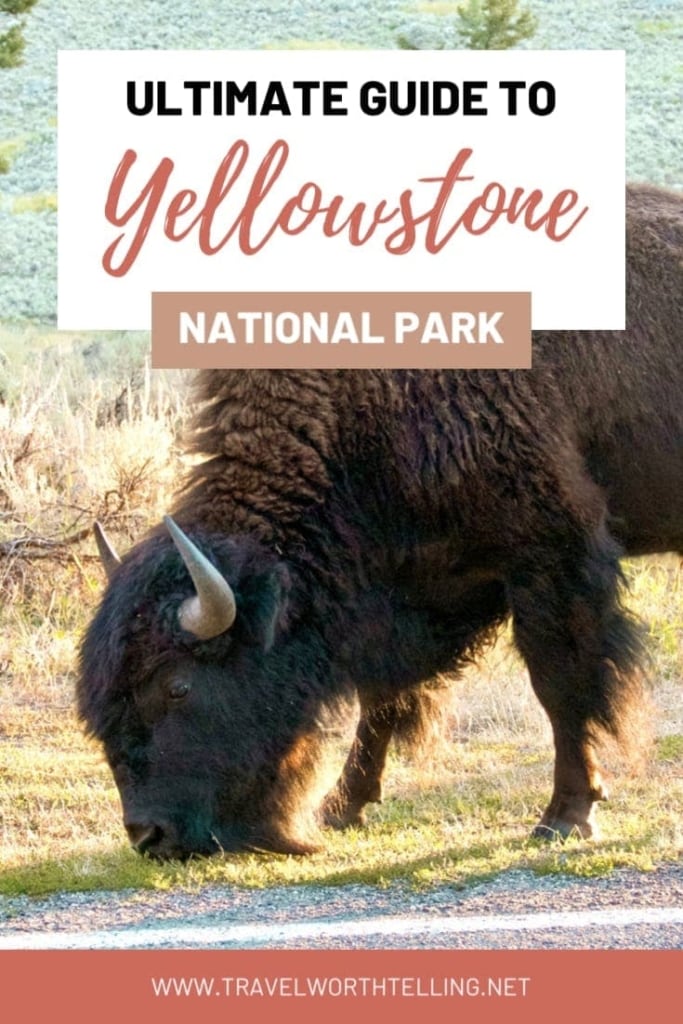
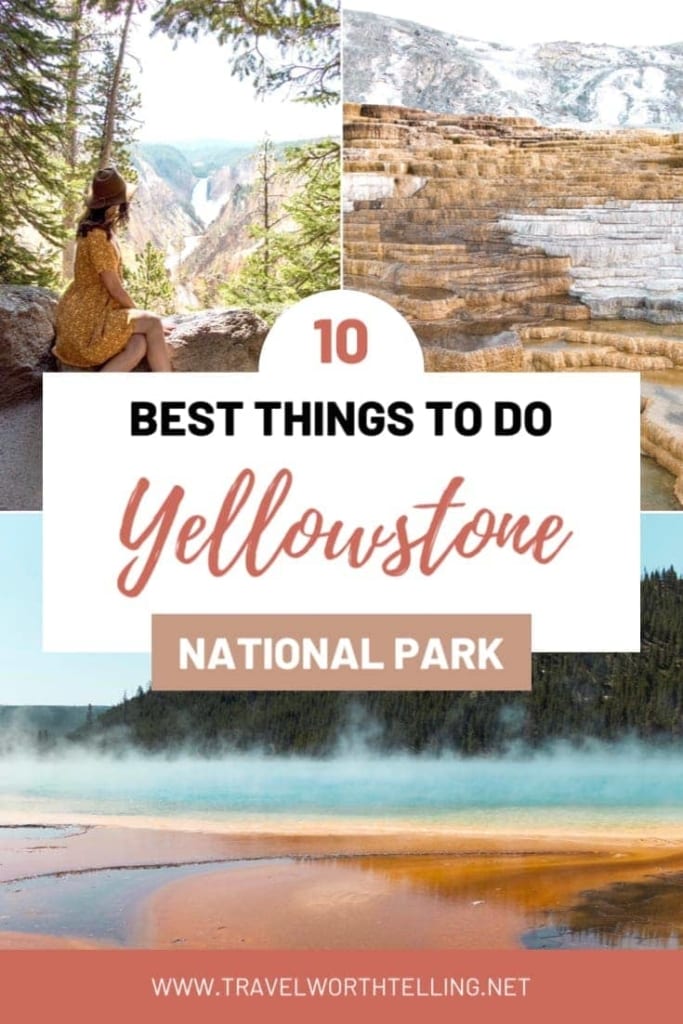
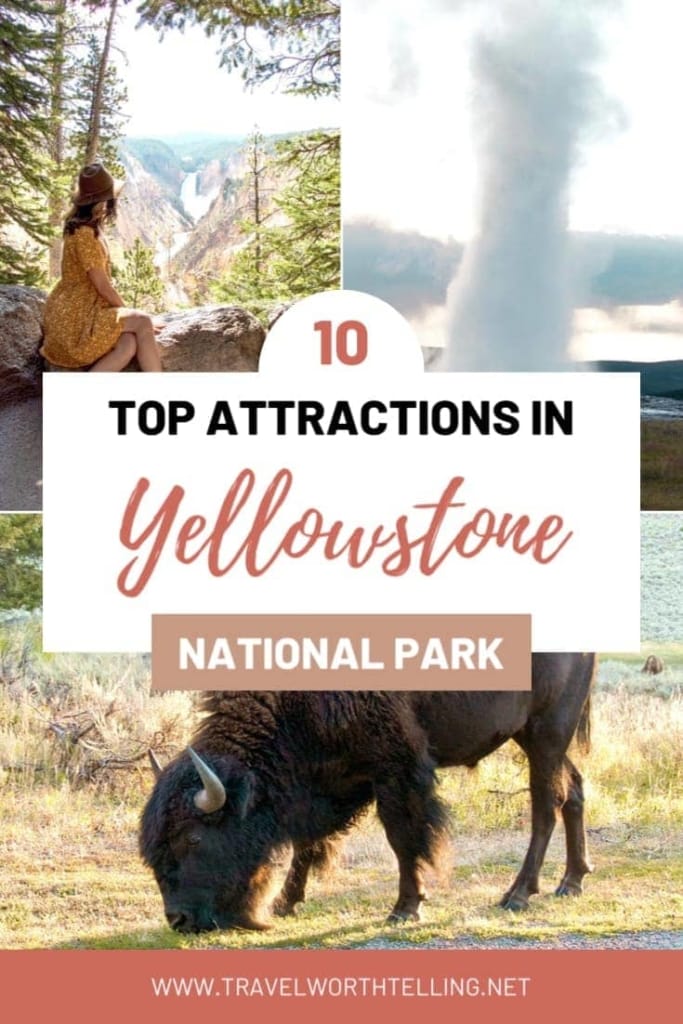
Yellowstone National Park was established in 1872 and not only is it the first national park in the United States but also the first in the world. The large park is spread out over 3,500 sq mi (9,065 sq km) and while it’s mostly located in the northeast corner of Wyoming, it spills into Montana and Idaho as well. Roughly 4 million people visit Yellowstone each year, making it one of the country’s most popular parks.
It’s known for its incredible geothermal activity and plentiful wildlife. The landscapes are stunning and vary greatly. There are canyons, rivers, waterfalls, and geysers. Yellowstone is full of breathtaking viewpoints and there are plenty of things to do. It’s easy to become overwhelmed by everything it has to offer, especially if this is your first visit. The following guide will provide you with everything you need to know before your visit and covers the top attractions in Yellowstone National Park.
How to Get to Yellowstone
Yellowstone is fairly remote; however, there are several airports to choose from. The closest airport is Yellowstone Airport. It offers seasonal flights from early May to mid-October and is located near the town of West Yellowstone, Montana. It’s just ten minutes from the West Entrance. Other options for accessing the park from the West Entrance are Bozeman Yellowstone International Airport and Idaho Falls Regional Airport. Bozeman Yellowstone International Airport is two hours from the park and Idaho Falls Regional Airport is about two and a half.
Yellowstone Regional Airport is near Cody, Wyoming, and is roughly an hour from the East Entrance. Jackson Hole Airport is located near Grand Teton National Park and is a great option if you plan on spending time in both parks. It’s about an hour from Yellowstone’s South Entrance. Flights into these small airports can be expensive.
If you’re interested in doing a bit of a road trip, you can save money by flying into one of the larger nearby cities. Nearby options include Salt Lake City, Utah; Denver, Colorado; and Billings, Montana. The drive to Yellowstone from Salt Lake City is just under five hours. Denver is nine hours and Billings is about three hours.
Getting Around Yellowstone
The best way to get around Yellowstone National Park is by car. A car can be rented at any of the above-mentioned airports. There is no public transportation system within the park and while commercial tour buses are allowed inside, many of them only run during the summer months. If you are interested in seeing Yellowstone with a tour group, I recommend reserving a spot well in advance. Many of them tend to book up quickly.
Driving through Yellowstone is easy as long as there is no excessive snowfall. The park has five entrances. The entrance you will use is determined by what airport you are coming from and what you wish to see within the park. The main road within the park is called Grand Loop Road. The 142-mile road is constructed in the shape of a figure-eight and hits all the major sights.
Although it is technically possible to drive the entire loop in a day, it’s not recommended. Each side of the loop can be driven in three to four hours but you will want to take your time. There are designated parking areas throughout the park, allowing you to stop and explore on foot.
How Many Days in Yellowstone?
This really depends on how much you want to do and see. If you’re quickly stopping at the major sights along the main road then you can complete about half the loop in a day. Three days will allow you to see the major sights and it’s possible to do the following top attractions in Yellowstone within this timeframe. If you wish to do some additional exploring and venture off the beaten path, I recommend 5-7 days.
Best Time to Visit Yellowstone
The mountainous region of Yellowstone and its high elevation can make for unpredictable weather. It greatly varies from season to season with each season offering something different and special. There really isn’t a “best” time to visit Yellowstone and when you go will greatly depend on what kind of activities you are interested in. The summer months between July and September are the warmest and driest. These months are also the most popular.
The park is most accessible during this time but you can expect large crowds. Children are out of school and families flock to the park. Early June and late September are great times to visit. The weather is mild and it’s not nearly as crowded. During the winter months, temperatures are usually below freezing. However, there are still plenty of activities to partake in. You’ll be able to experience a snow-covered park and frozen waterfalls. There’s also cross-country skiing, snowmobiling, and snowshoeing.
It can be a great time to visit since it’s so quiet. Starting in November there will be road closures and limited access to certain areas of the park. It’s a good idea to call ahead or visit the website of the National Park Service. Spring remains chilly and there may still be snow but not enough for winter activities.
Wildlife can be viewed year-round but some months are better than others. The spring and fall are great for viewing animals around the valleys. In the spring, the bears start to come out of hibernation and are visible around the park. You’ll also likely see a lot of baby animals during this time. In the summer months, many of the animals retreat to higher elevations in search of cooler temperatures. In the winter, it’s still possible to see wildlife and it is an especially great time for wolves.
Where to Stay in Yellowstone
There are lots of options when it comes to lodging in and around Yellowstone National Park. No matter what you choose though, you’ll want to book well in advance, especially if you’re visiting during the high season. Many park-goers choose to camp. Yellowstone offers 12 campgrounds with over 2,000 sites. Five of these take reservations and the rest are offered on a first-come, first-served basis.
If you are not a camper then your next best option is to stay at one of the hotels or lodges within the park. Canyon Lodge and Old Faithful Inn are Yellowstone favorites and are the two best options for sightseeing. To book or find more information regarding accommodations in the park, visit the official lodging website.
Accommodations within the park often sell out quickly and can be costly. There are plenty of lodging options right outside the park as well. The best area outside of the park to stay in is the town of West Yellowstone. Staying in West Yellowstone will make your daily commute to the park easier. During the summer months, there can be a lot of traffic and the closer you stay to the park, the better. The following are great options in West Yellowstone:
Explorer Cabins at Yellowstone
The Explorer Cabins are located just half a mile from the West Entrance. The cabins are charming and even offer pet-friendly lodging. The community has outdoor fire pits and complimentary S’mores kits are given to guests upon arrival. Each cabin has its own kitchenette, which is great for saving a little money.
The Adventure Inn
The Adventure is a luxurious but rustic inn. It’s located just five minutes from the West Entrance. It has a range of rooms including a suite with a fully equipped kitchen. They also offer interconnecting rooms for families.
The Evergreen Motel
The Yellowstone area has a lot of motel options as well. If you’re on a budget, The Evergreen Motel is great. It has been around since 1931 and is a staple in West Yellowstone. It’s a small, owner-operated motel with 17 rooms. It’s a top choice for motels in the area and offers clean and cozy rooms.
During the winter months, much of the park is closed. You’ll most likely want to stay closer to the Mammoth Hot Springs area, which is located near the North Entrance. Gardiner, Montana is the closest town to this entrance. I recommend finding lodging in town or staying at the Mammoth Hot Springs Hotel and Cabins or Old Faithful Snow Lodge & Cabins. These are the only open accommodations within Yellowstone National Park this time of year.
Top Attractions in Yellowstone:
There is quite a bit to see and do at Yellowstone. I recommend planning ahead and creating an itinerary for yourself. The following are some of the top attractions in Yellowstone National Park:
1. Mammoth Hot Springs
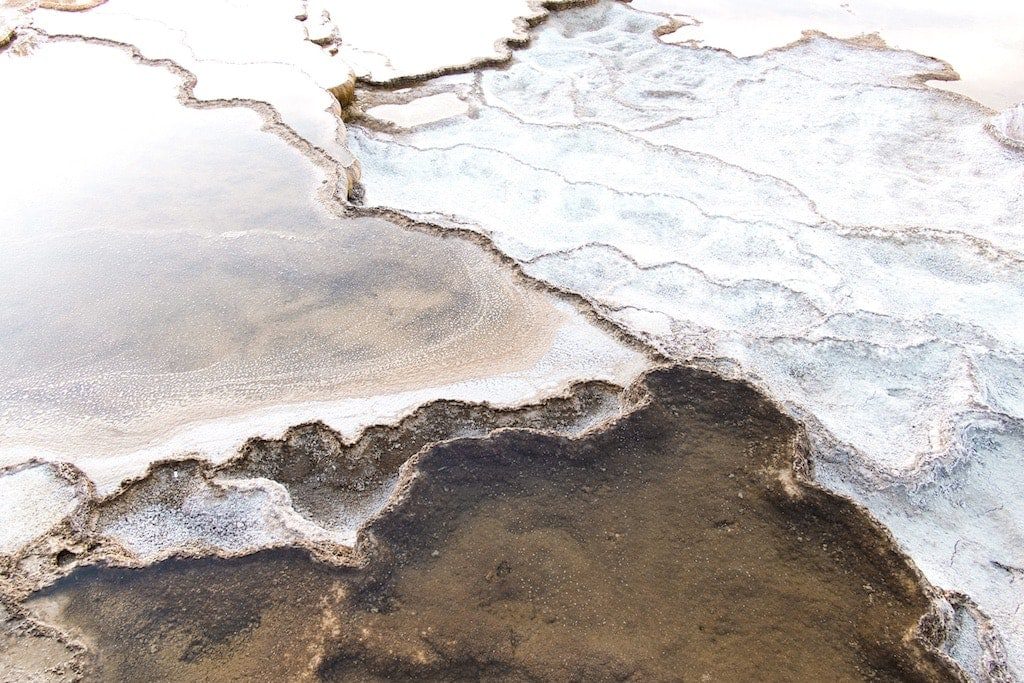
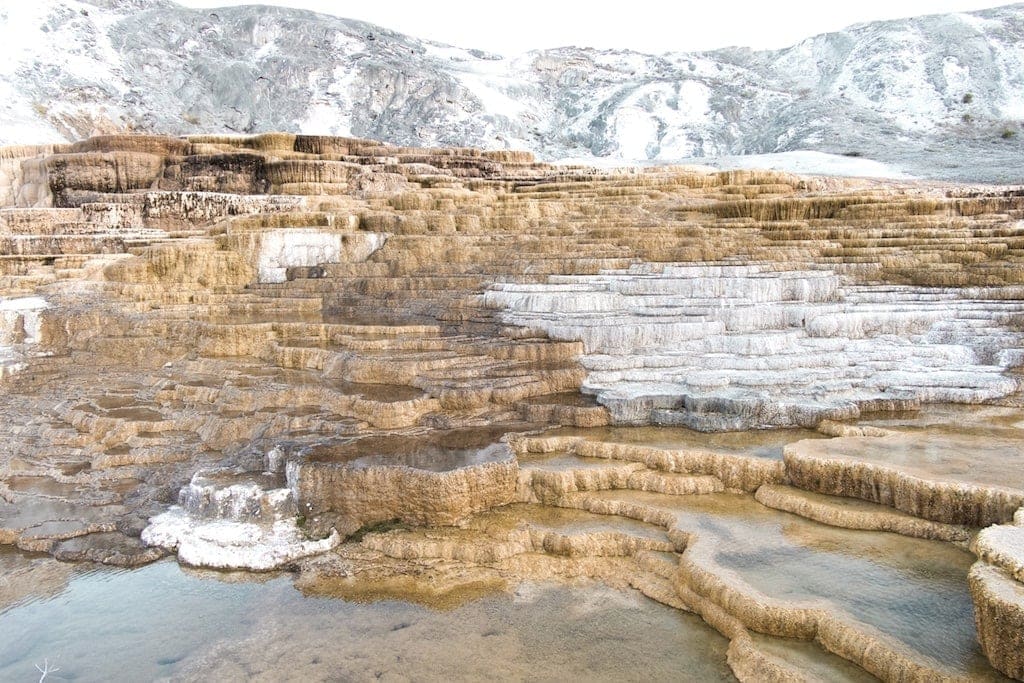
Mammoth Hot Springs is located just south of the North Entrance and is one of only two areas in the park open during the winter. The terraces of Mammoth Hot Springs are very different from the other geothermal areas in Yellowstone. Beautiful travertine rock formations of varying sizes line the landscape.
The area can be explored on a boardwalk trail that runs from the parking lot and goes through both the upper and lower terraces. The entire length is 1.75 miles. The Mammoth area also has a visitor center where you can learn about the area’s history and wildlife.
2. Grand Prismatic Spring & Midway Geyser Basin
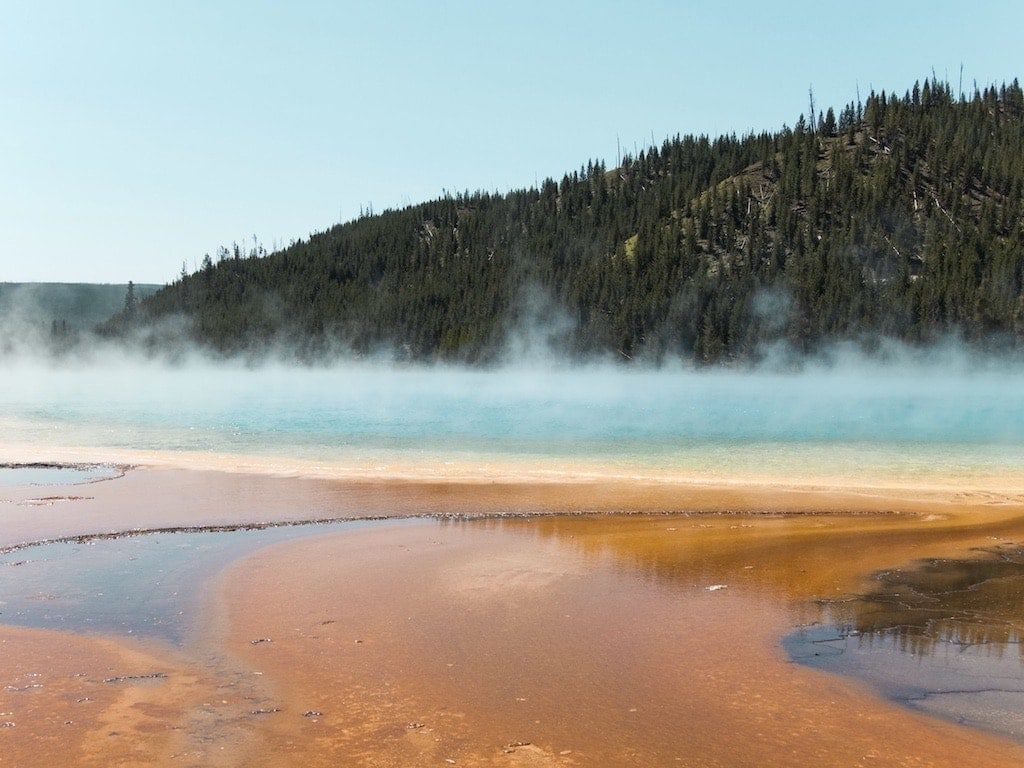
Grand Prismatic Spring is the largest hot spring in the United States and the third-largest in the world. It’s also one of Yellowstone’s most popular attractions. It’s located in the park’s Midway Geyser Basin and is about 25 miles from the West Entrance. The spring’s rainbow hues are what draw crowds. The center of the spring is blue but the outer rings are made up of bright yellows, oranges, and reds.
These colors are caused by pigmented bacteria that thrive off the geothermic activity. The different colors are produced by different types of bacteria depending on the temperature of the water. To avoid the tour buses and the large crowds, I recommend going either first thing in the morning or late in the afternoon.
3. Old Faithful & Upper Geyser Basin
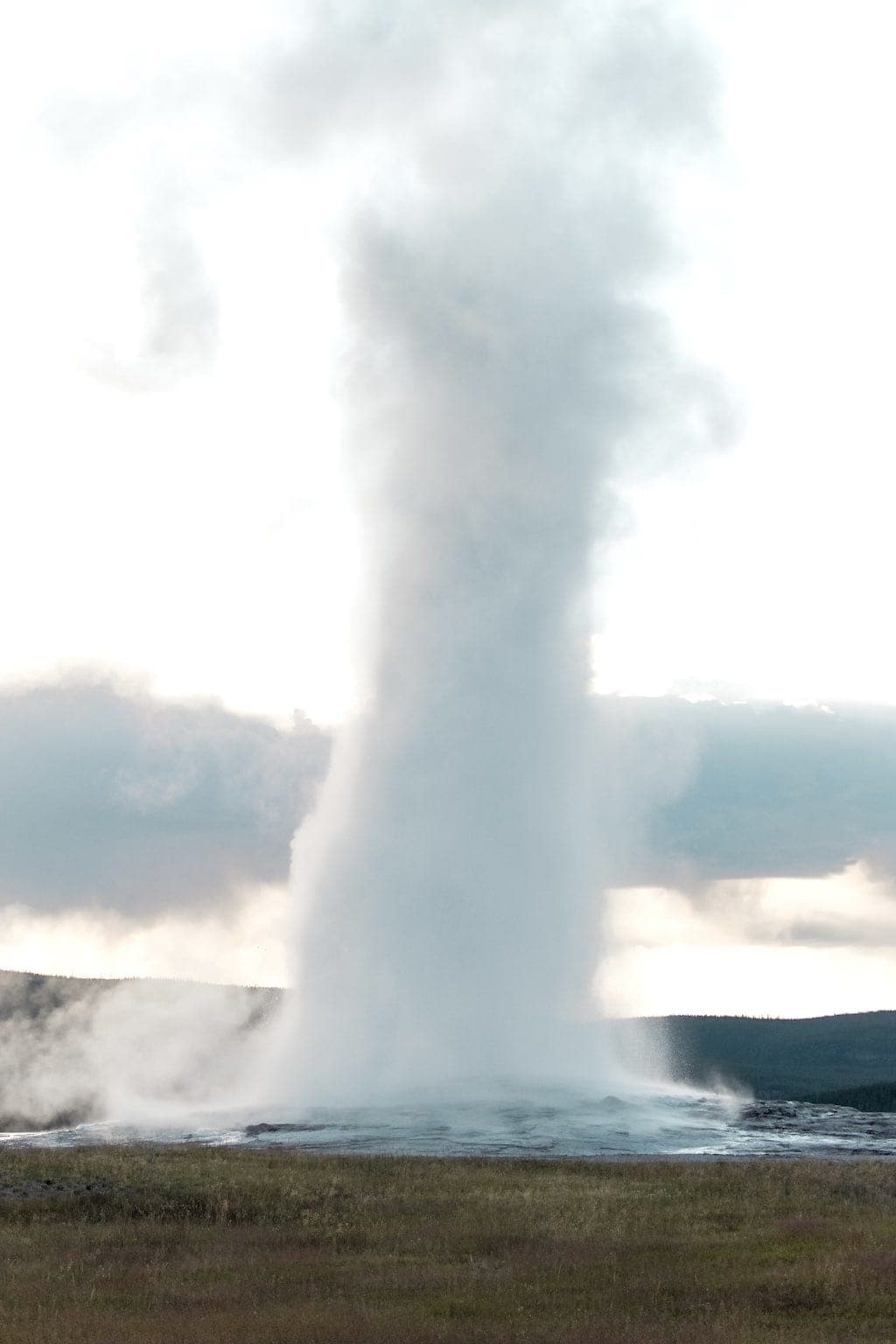
Old Faithful was discovered in 1870 and was named for its frequent and fairly predictable eruptions. It’s located in the southwest portion of the park in the Upper Geyser Basin. The regular eruptions make it Yellowstone’s most popular geyser. Predicted times are posted in the visitor center and other nearby buildings in the Old Faithful area. Eruptions average about 130 ft (39 m) but have been known to reach heights up to 180 ft (55 m).
Make sure to explore the Upper Geyser Basin and take a walk to the colorful Morning Glory Pool. It has the largest concentration of geysers in the world. It will take some time to view this area since you’ll likely be waiting for the geysers to erupt. To pass the time, I recommend visiting the beautiful and historic Old Faithful Inn. It’s also a great spot for lunch.
4. Hayden Valley
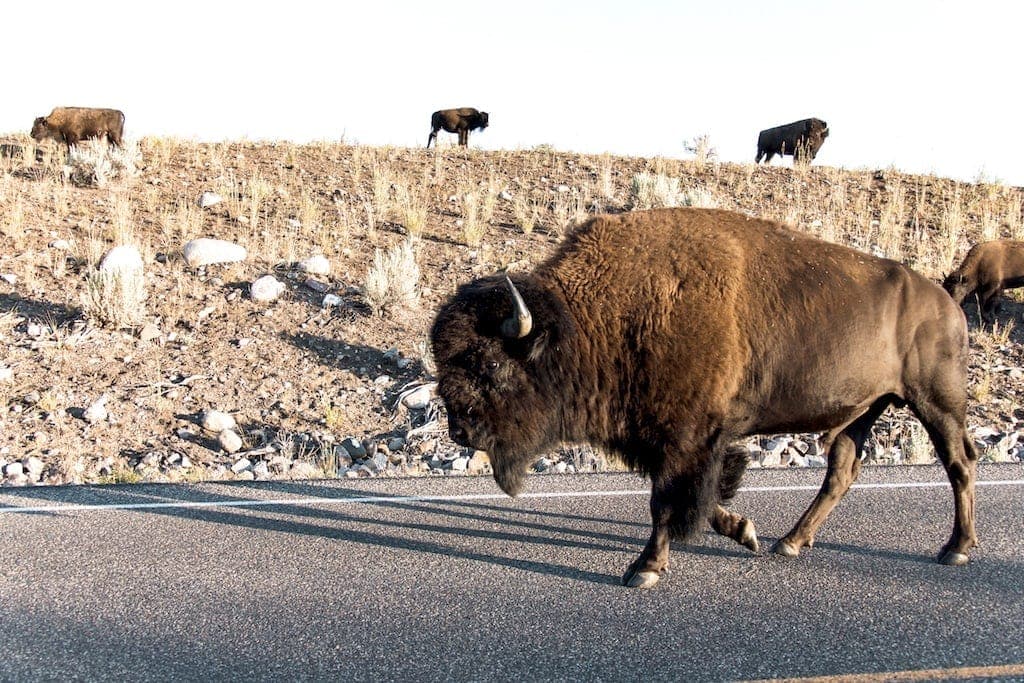
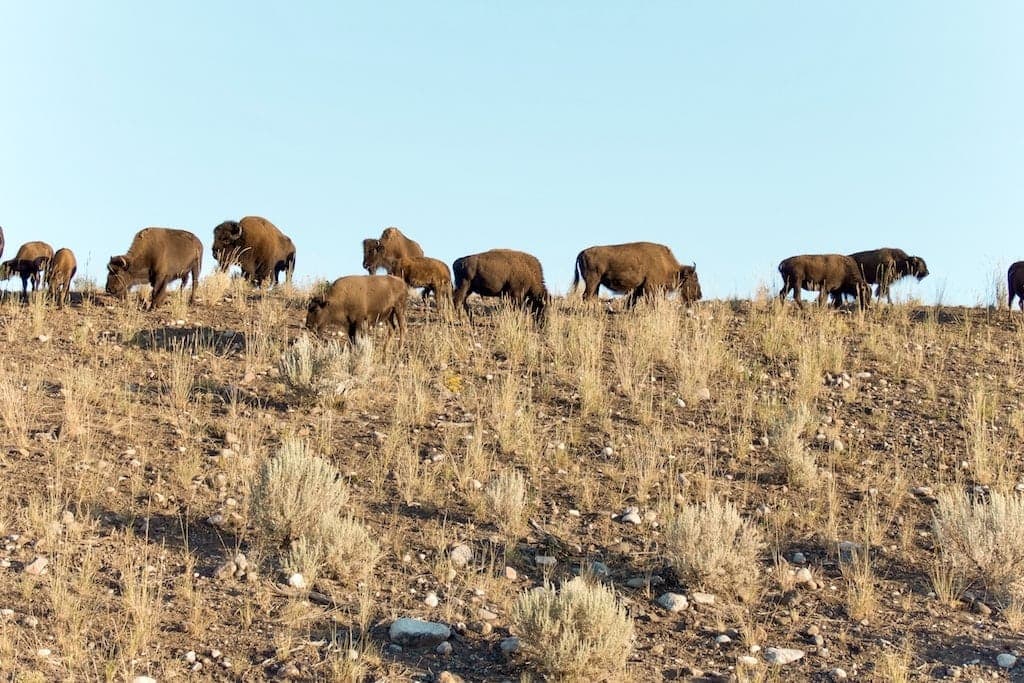
Hayden Valley is a large valley located in central Yellowstone between Yellowstone Falls and Yellowstone Lake. It’s situated near the Yellowstone River, making it an appealing place for wildlife. Hayden Valley is particularly known for its bison but on occasion, elk or even a bear may be spotted.
I was hoping to see maybe one or two bison but was pleasantly surprised by large herds. In fact, there are often so many bison that traffic jams occur and can be expected. The bison will come startlingly close to vehicles and even stand on the road. There are plenty of turnouts along the road to stop and take photos; however, you should not get out of the car.
5. Tower Fall
Tower Fall is named after the towering volcanic formations that can be seen at the top of the falls. It is located in the northeastern portion of Yellowstone, about 20 miles north of Canyon Village. It’s 132 feet tall and is the second most popular waterfall after the Lower Falls of the Grand Canyon. A lookout point can be accessed from a short trail behind the Tower General Store. The waterfall is also accessible to cross-country skiers during the winter.
6. Norris Geyser Basin
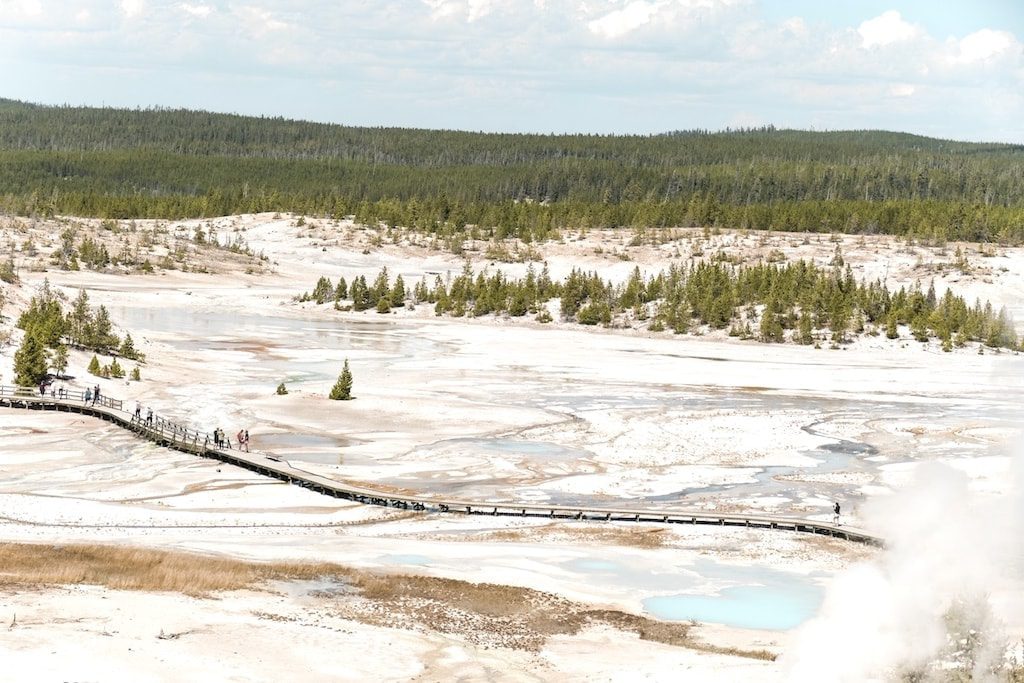
Norris Geyser Basin is the oldest and hottest of Yellowstone’s geothermal areas. The hottest geothermal temperature recorded in Yellowstone is from Norris at 459°F (237°C). The basin is divided into two areas, Porcelain Basin and Back Basin. The two areas couldn’t be more different. Porcelain Basin is void of trees and is a very barren landscape with steaming vents.
Back Basin is heavily wooded and is home to Steamboat Geyser, the world’s tallest active geyser. During its eruptions, water may shoot up to 300 ft (91 m) in the air. Many years usually pass between major eruptions with the last being quite recent in February 2020.
7. Lamar Valley
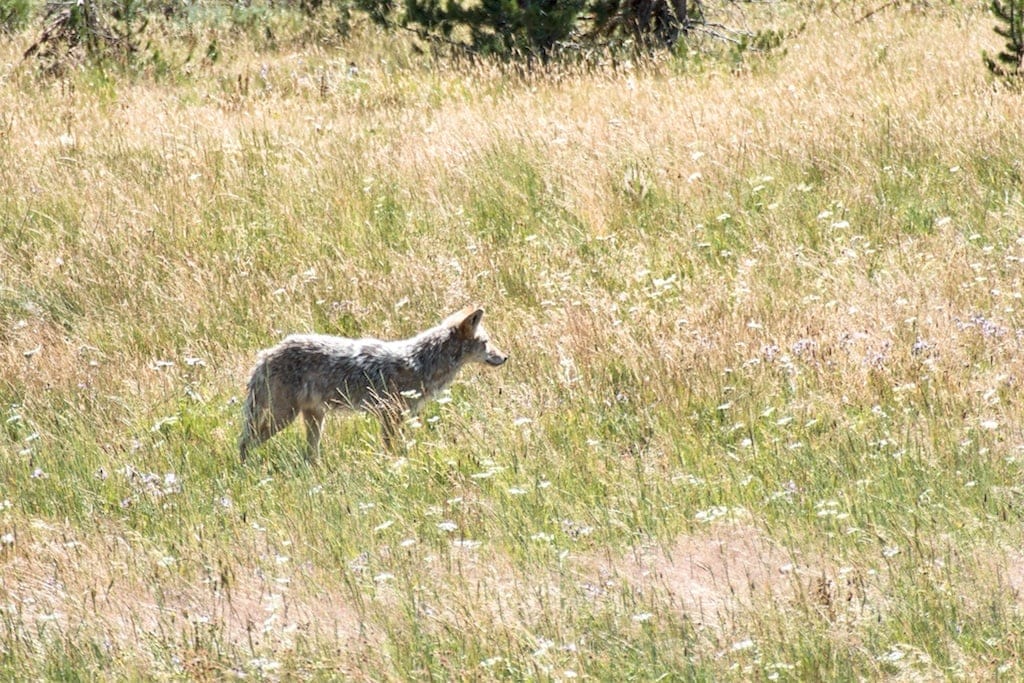
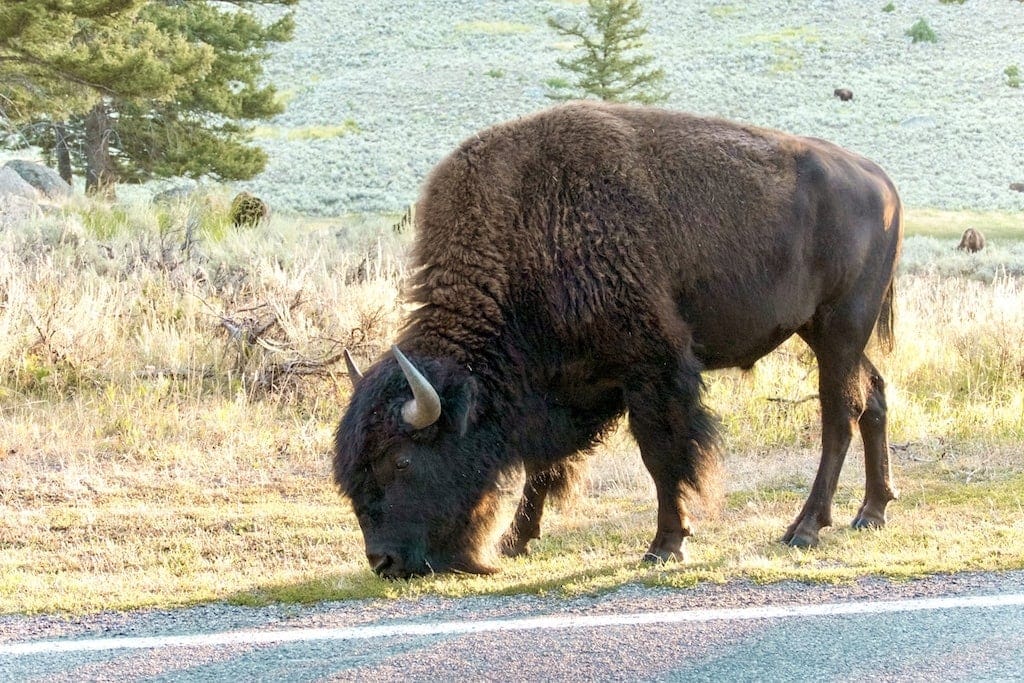
Lamar Valley is somewhat remote and is located in the northeast corner of the park. It often gets skipped over due to its location but is a prime spot for wildlife viewing. Bison and elk are plentiful and coyotes and bears can occasionally be spotted. Lamar Valley is also the best destination in the park for viewing wolves. You will need to plan accordingly if you wish to visit the valley.
It can be done in combination with Mammoth Hot Springs but at least half a day should be set aside for these locations. The best time for wildlife viewing is either early morning or late afternoon. I started the drive right before sunrise and it was a great time to go. I recommend bringing a pair of binoculars so you can see any bears and wolves in the distance.
8. Yellowstone Lake
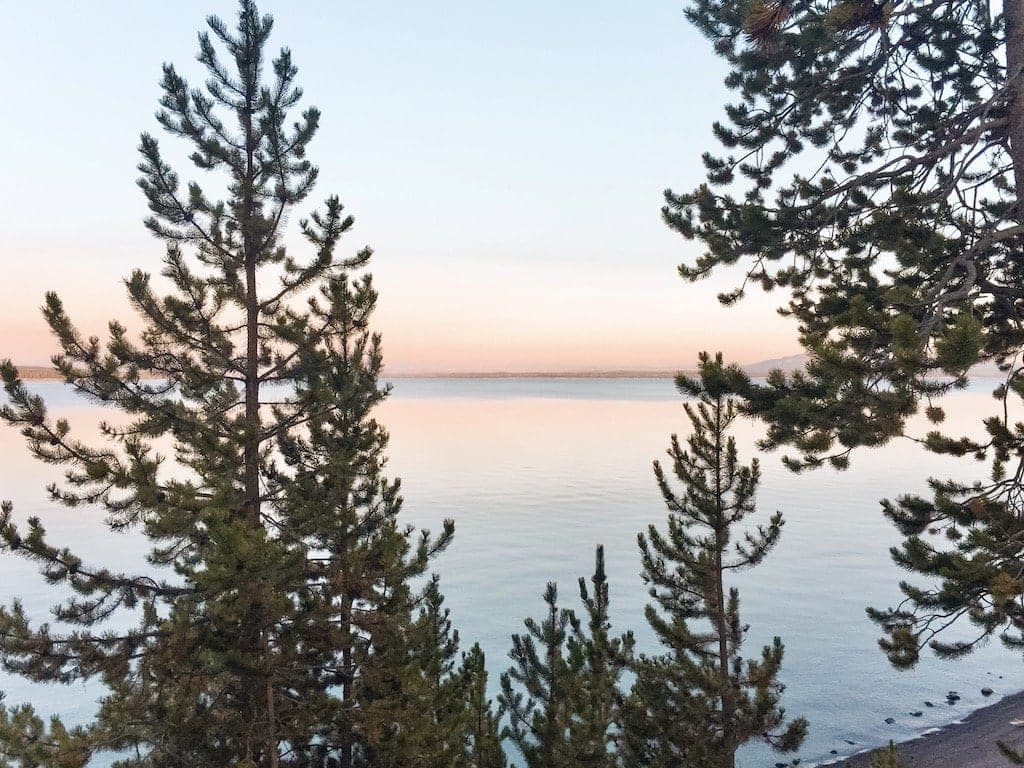
Yellowstone Lake covers 136 sq mi (352 sq km) and is the largest body of water in Yellowstone Park. It’s actually the largest lake at a high elevation in North America (above 7,000 ft (2133 m). It occupies the southeastern portion of the park and is easily accessible from the east, west, and south entrances. The lake completely freezes over by early December and can stay that way until late May. Even in the summer, the lake temperatures are too low for swimming. There are many other lake activities though. I recommend taking a scenic drive right before sunset.
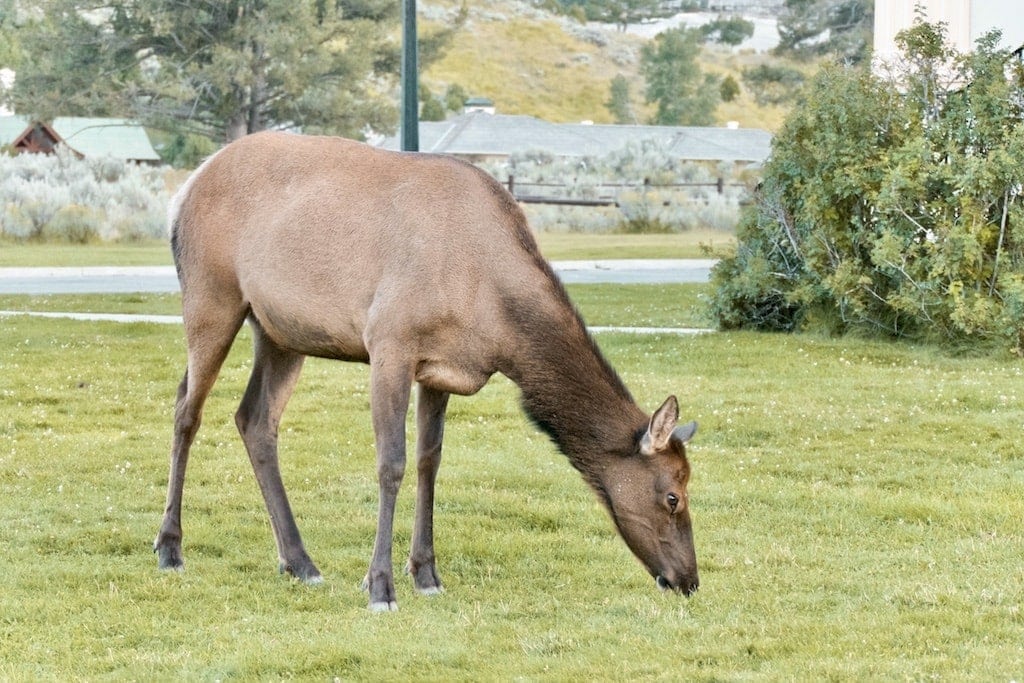
You will want to drive carefully, however, as wildlife is prevalent here. There are a lot of elk in the area and you may even see a moose. During the summer you can explore the lake by boat or have a picnic near its shoreline. Lake Yellowstone Hotel & Cabins is also nearby.
The National Historic Landmark was built in 1891 and is the oldest lodge in Yellowstone. If a picnic is not your style, the Lake Hotel Dining Room offers an upscale menu and serves breakfast, lunch, and dinner. Wiley’s Canteen at Lake Lodge is another, more budget-friendly, option. Casual meals are served throughout the day in their rustic dining room with lake views.
9. Grand Canyon of the Yellowstone
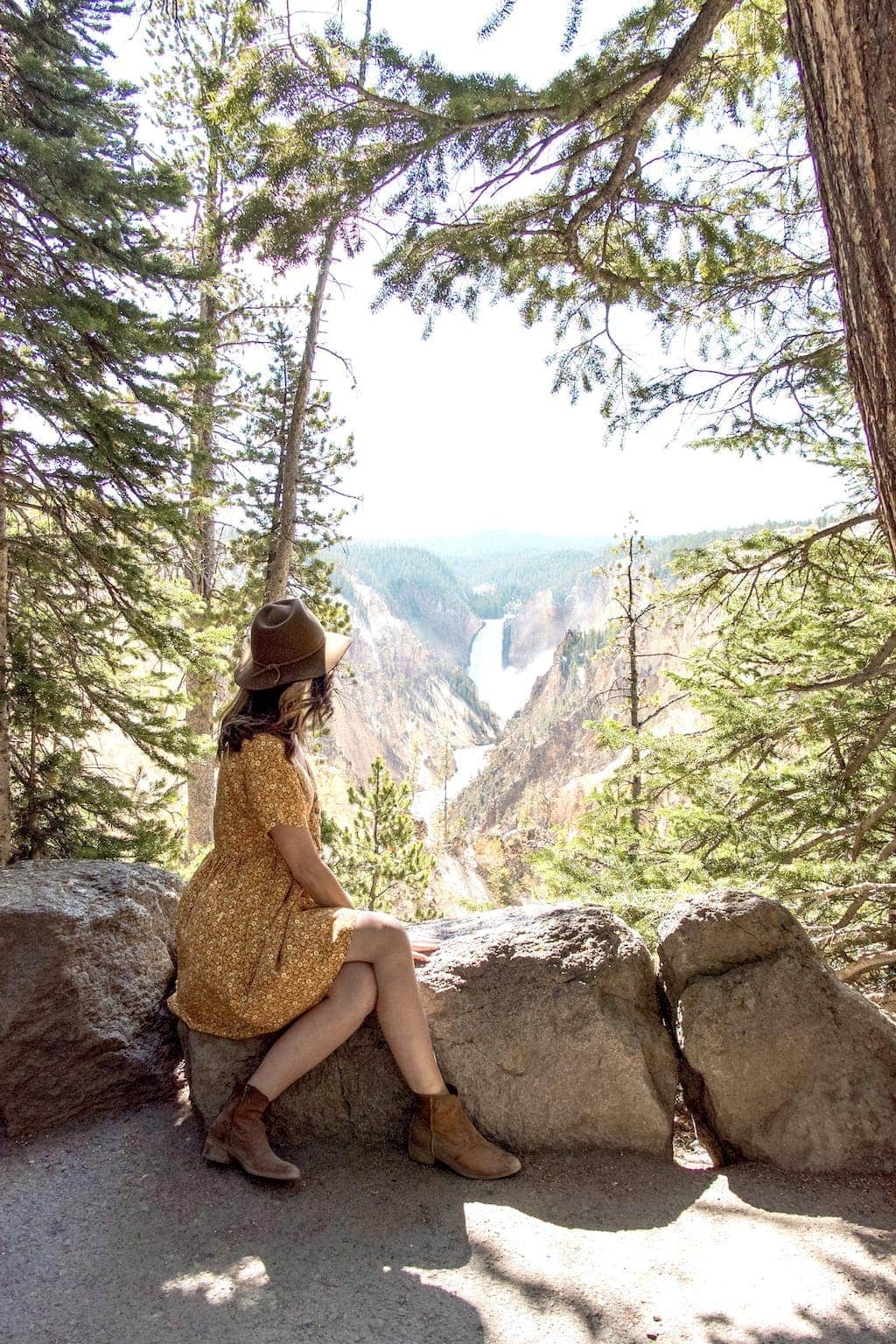
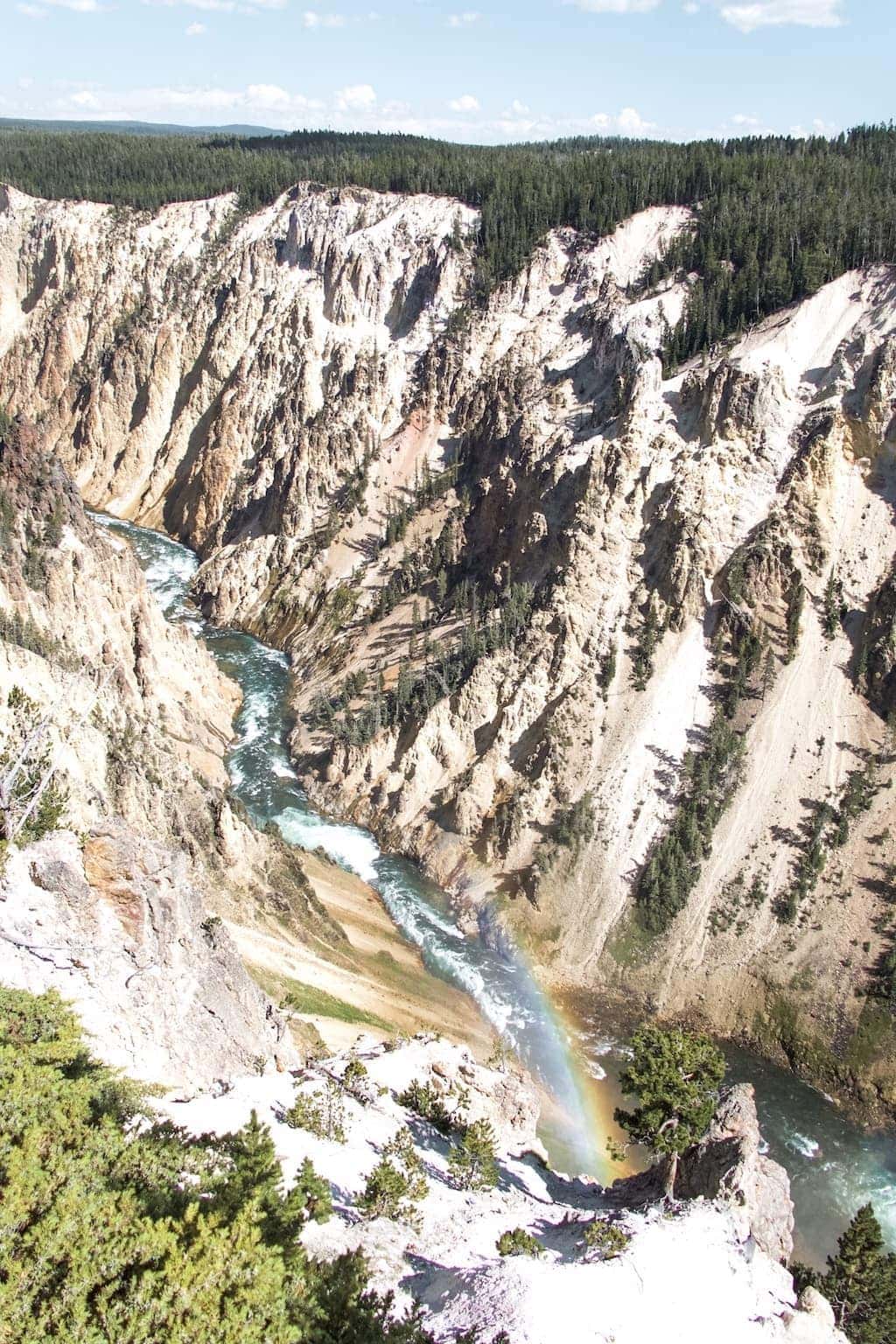
Yes, Yellowstone has its own Grand Canyon and it is gorgeous. The canyon is about 20 mi (32 km) long and the Yellowstone River runs through it, creating two beautiful waterfalls. It is the main attraction in the Canyon Village area and there are multiple trails and viewpoints throughout the north and south rims. I recommend spending time exploring both.
The favorite things to do here are Artist Point, Lower Falls, and Uncle Tom’s Trail. Artist Point is one of the most commonly photographed locations in the park. It’s one of Yellowstone’s most iconic viewpoints and was a favorite of mine. It’s located on the South Rim and has a great view of Lower Falls and the canyon. Lower Falls is Yellowstone’s highest waterfall. The 308 ft (94 m) tall waterfall can be accessed from the Brink of Lower Falls Trail, located on the north rim. It’s a short, but steep and strenuous hike. The path leads to a viewpoint directly over the top of the falls.
Uncle Tom’s Trail is a series of 300 steep steps that go down into the canyon and provide up-close views of Lower Falls. Upper Falls is not nearly as big as Lower Falls but is still worth a visit nonetheless. Trails to Upper Falls can be assessed from both the north and south rim.
10. West Thumb Basin
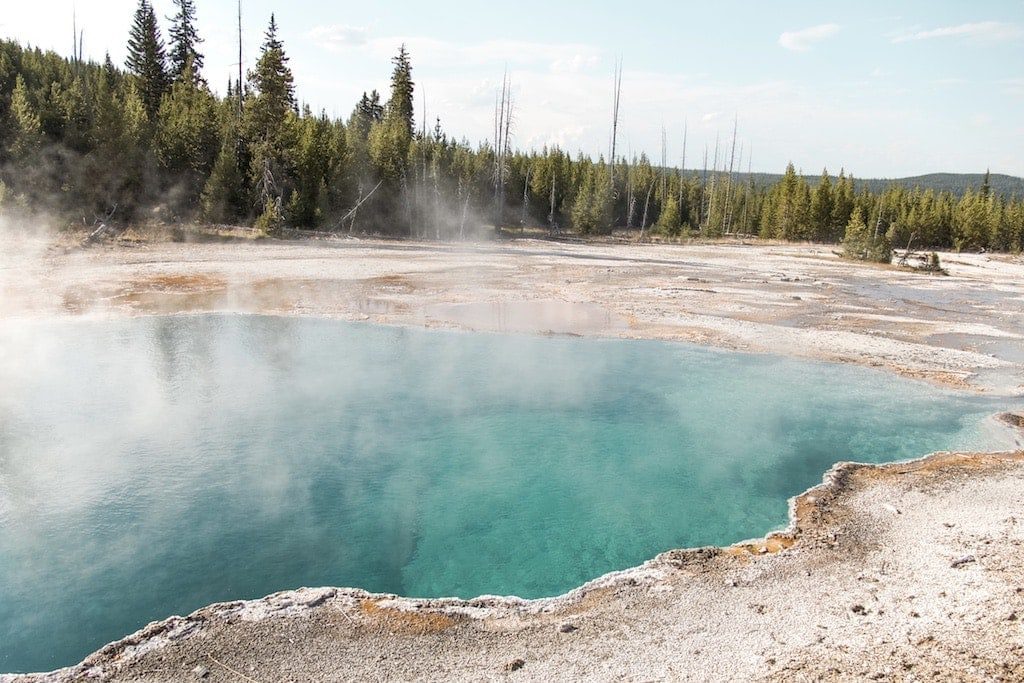
West Thumb Basin is one of the more underrated basins. It’s located near the southern end of the park on the shores of Yellowstone Lake. The area is surprisingly one of the least visited areas of the park. However, it’s very much worth the drive there and is my favorite basin after Grand Prismatic. Abyss Pool and Black Pool are the two must-see springs in the area.
Both of these pools have great depths and are really incredible. The Abyss Pool is a beautiful aquamarine color. Black Pool has dark waters and unusually low water temperatures. The boardwalk weaves through the springs and takes you right up to the lake’s shore for a beautiful view.
If you have some extra time, the mud volcano area is located just a few miles north of Yellowstone Lake. It’s made up of muddy hot springs and fumaroles, or steam vents. The mud volcano was once a large volcano but after erupting it collapsed into what it is today, a bubbling pot of mud. The area isn’t as impressive as some others on this list but it is quite different.
These hot springs are Yellowstone’s most acidic. A strong egg odor is present in the air as a result of the hydrogen sulfide gas that seeps up from the ground. A short trail of boardwalks can be used to explore the area and the Sulphur Caldron, the most acidic of the springs.
These top ten attractions in Yellowstone are only some of the amazing things that the park has to offer. There is endless backcountry to explore and plenty of hiking trails. I wish I had more time to spend in the park and will definitely return in the future. I left with a much greater appreciation for travel within my own country and a desire to visit more of our national parks.
Have you been to Yellowstone? What are some of your favorite attractions in Yellowstone? If you’ve enjoyed this post, please leave a comment or share using the social media buttons below. Interested in visiting other parks? Discover Badlands National Park, one of my personal favorites, in my post, “Top 10 Things to Do in Badlands National Park”.


Yes!! I wanna go to the parks toooooooo! This looks incredible ???
Your photos are so pretty!! My favorite part about Yellowstone are all the different animals!
Thank you! The animals are my fav too :)
Yellowstone is high on my bucket list and your article reminded me why. Very informative and I love your pictures.
Thank you! Glad you enjoyed it :)
I camped in Yellowstone for 3 weeks in the winter so this post brought back fond memories. One of my favorite places in Yellowstone is Boiling River. Great photos.
Thanks! This was an older post that I just updated and I soooo want to go back now. I definitely didn’t stay long enough.
I would love to visit Yellowstone. Recently, a friend was telling me about his visit and how much him and his family enjoyed the park. We were discussing road trip options for the summer. Not sure if we are going to be able to road trip this summer since things have taken a different turn since we talked. But, hope to visit sooner than later.
It’s so gorgeous! I hope you can make it. I’m hoping to go back this year as well. This was actually an older post that I just updated and it really made me want to go again.
Yellowstone looks incredible! Thank you so much for putting together this guide. I will definitely be using it when we travel there!
I haven’t been to Yellowstone in so long! I’d love to take my kids there, and these are great ideas!
I just love Yellowstone! It is so diverse and stunning!
Me too. One of my favorite parks!
Looks a beautiful place to go!